The Sea Ranch: Architektura, Środowisko i Idealizm



Category: Pełna Kolekcja
W 1965 roku, na dziesięciu milach pokrytego mgłą wybrzeża Północnej Kalifornii, grupa architektów zawarła pakt z ziemią. Żadnych wypielęgnowanych trawników. Żadnego narzuconego porządku. Budynki wtapiające się w klify, pokryte starzejącym się drewnem, zorientowane na wiatr, a nie przeciwko niemu. Sea Ranch było argumentem za tym, jak żyć.
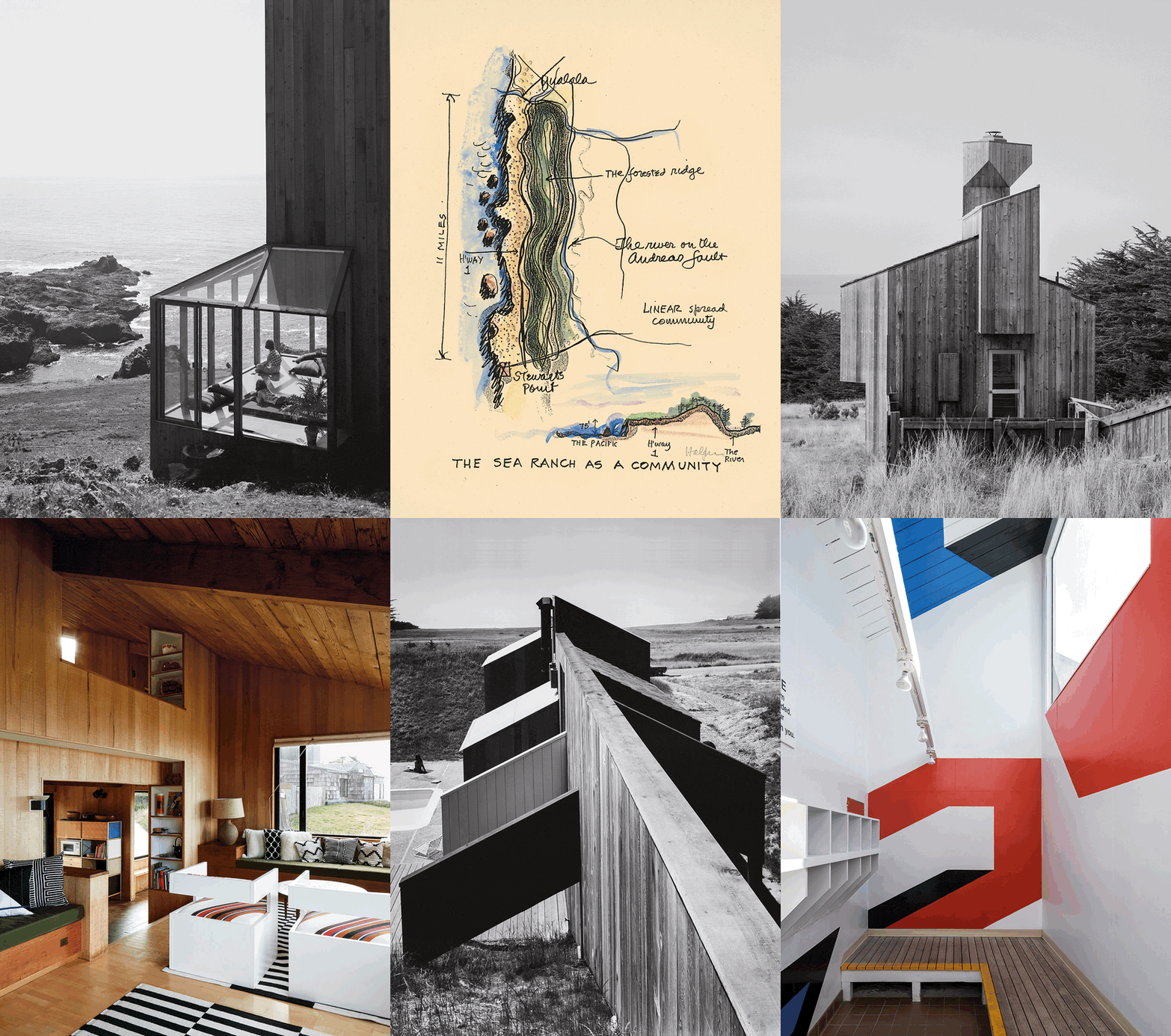
Lawrence Halprin zaplanował społeczność z przekonaniem, że sam krajobraz jest architekturą. Charles Moore, Donlyn Lyndon, William Turnbull i Joseph Esherick zaprojektowali wczesne budowle. Barbara Stauffacher Solomon pomalowała wnętrza odważnymi supergrafikami — eksplozją koloru wśród całej tej powściągliwości. Rezultatem było coś naprawdę bezprecedensowego: zachodnioamerykański modernizm wernakularny, który traktował zarządzanie ziemią i ambicje projektowe jako jeden projekt.
Szkice Halprina, archiwalne i współczesne fotografie, rysunki oraz eseje umieszczają Sea Ranch w szerszej historii kalifornijskiej architektury. Głosy samych projektantów przewijają się przez całość.
Laureat nagrody Philip Johnson Exhibition Catalogue Award przyznawanej przez Society of Architectural Historians.


