The Sea Ranch: Arkitektur, Miljø og Idealisme



Category: Hele kolleksjonen
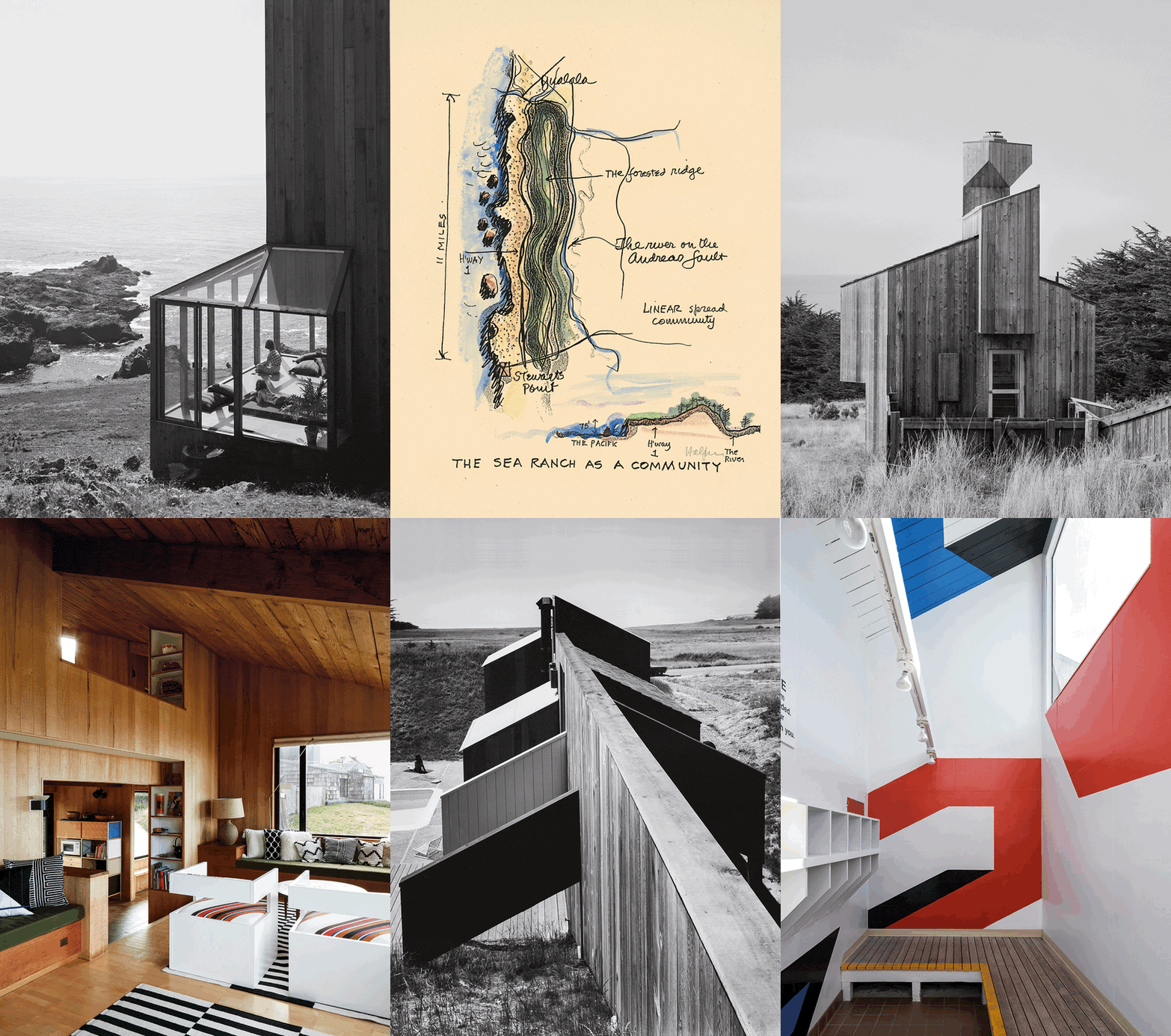
I 1965, på ti mil med tåkeslått nordkyst av California, inngikk en gruppe arkitekter en pakt med landet. Ingen velstelte plener. Ingen påtvunget orden. Bygninger som krop seg inn i neset, kledd i værbestandig tre, vendt mot vinden snarere enn bort fra den. The Sea Ranch var et argument for hvordan man kan leve.
Lawrence Halprin planla samfunnet med overbevisning om at landskapet i seg selv var arkitekturen. Charles Moore, Donlyn Lyndon, William Turnbull og Joseph Esherick tegnet de tidlige byggene. Barbara Stauffacher Solomon malte interiørene med dristige supergrafikk – et fargeeksplosjon inni all tilbakeholdenheten. Resultatet var noe genuint uten sidestykke: en vestkystens moderne arkitektur som så på forvaltning av land og designambisjon som det samme prosjektet.
Halprins skisser, arkivfotografier og samtidsfotografier, tegninger og essays plasserer The Sea Ranch innenfor California-arkitekturens bredere historie. Designerens egne stemmer går gjennom hele verket.
Vinner av Society of Architectural Historians' Philip Johnson Exhibition Catalogue Award.


