The Sea Ranch: Arsitektur, Lingkungan, dan Idealisme



Category: Koleksi Lengkap
Pada tahun 1965, di sepanjang sepuluh mil garis pantai California Utara yang diterpa kabut, sekelompok arsitek membuat kesepakatan dengan alam. Tidak ada halaman rumput yang rapi. Tidak ada keteraturan yang dipaksakan. Bangunan yang merunduk di tanjung, dilapisi kayu lapuk, menghadap angin bukannya melawannya. Sea Ranch adalah argumen tentang bagaimana cara hidup.
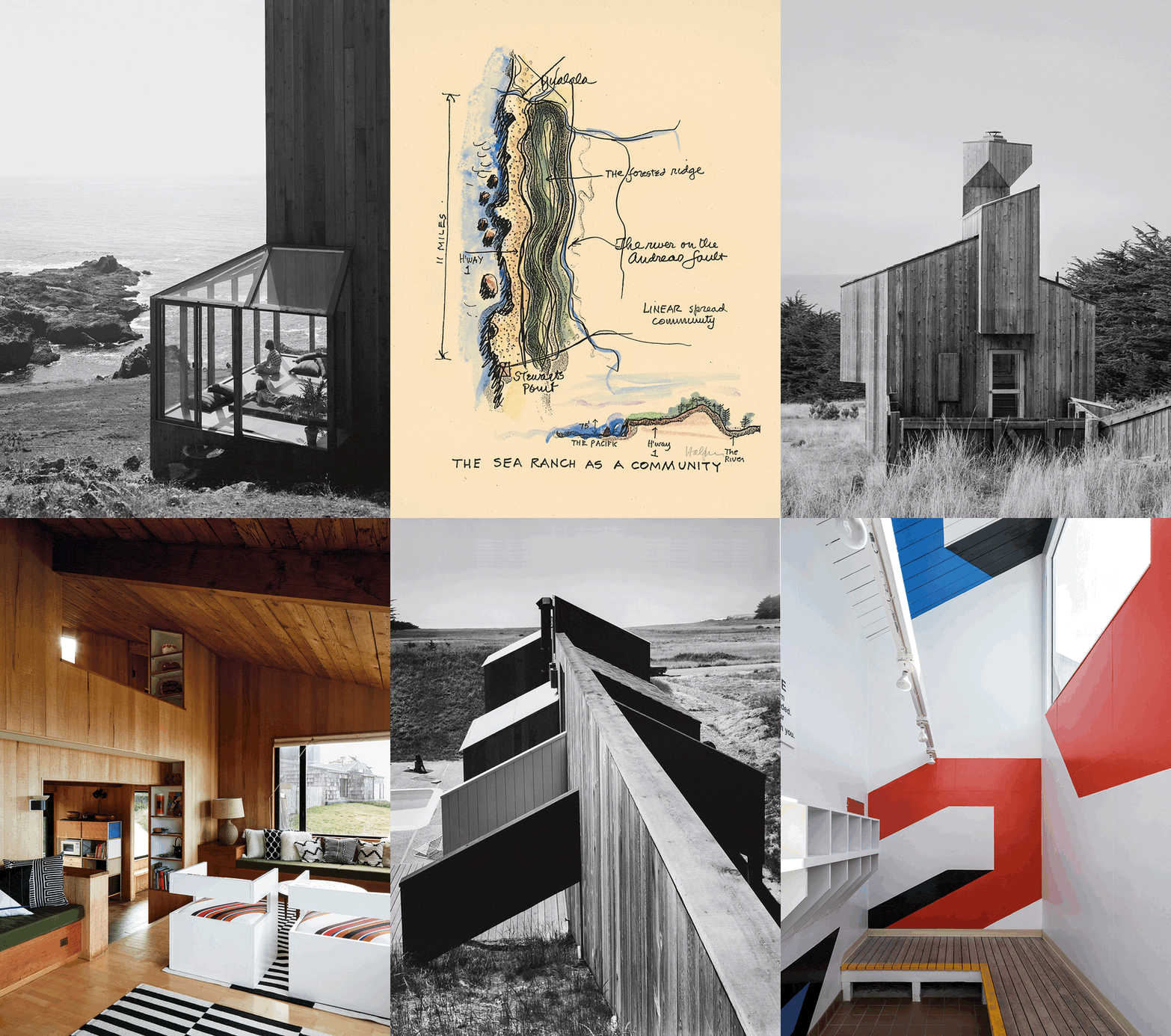
Lawrence Halprin merencanakan komunitas ini dengan keyakinan bahwa lanskap itu sendiri adalah arsitektur. Charles Moore, Donlyn Lyndon, William Turnbull, dan Joseph Esherick merancang bangunan awal. Barbara Stauffacher Solomon melukis interior dengan supergrafis yang berani — semburan warna di tengah semua pengekangan itu. Hasilnya adalah sesuatu yang benar-benar tanpa preseden: modernisme vernakular Pantai Barat yang memperlakukan pengelolaan lahan dan ambisi desain sebagai proyek yang sama.
Sketsa Halprin, foto arsip dan kontemporer, gambar, dan esai menempatkan Sea Ranch dalam sejarah arsitektur California yang lebih luas. Suara para desainer sendiri mengalir di seluruh buku ini.
Pemenang Penghargaan Katalog Pameran Philip Johnson dari Society of Architectural Historians.


