The Sea Ranch: Arkitektur, Miljø og Idealisme



Category: Hele Kollektionen
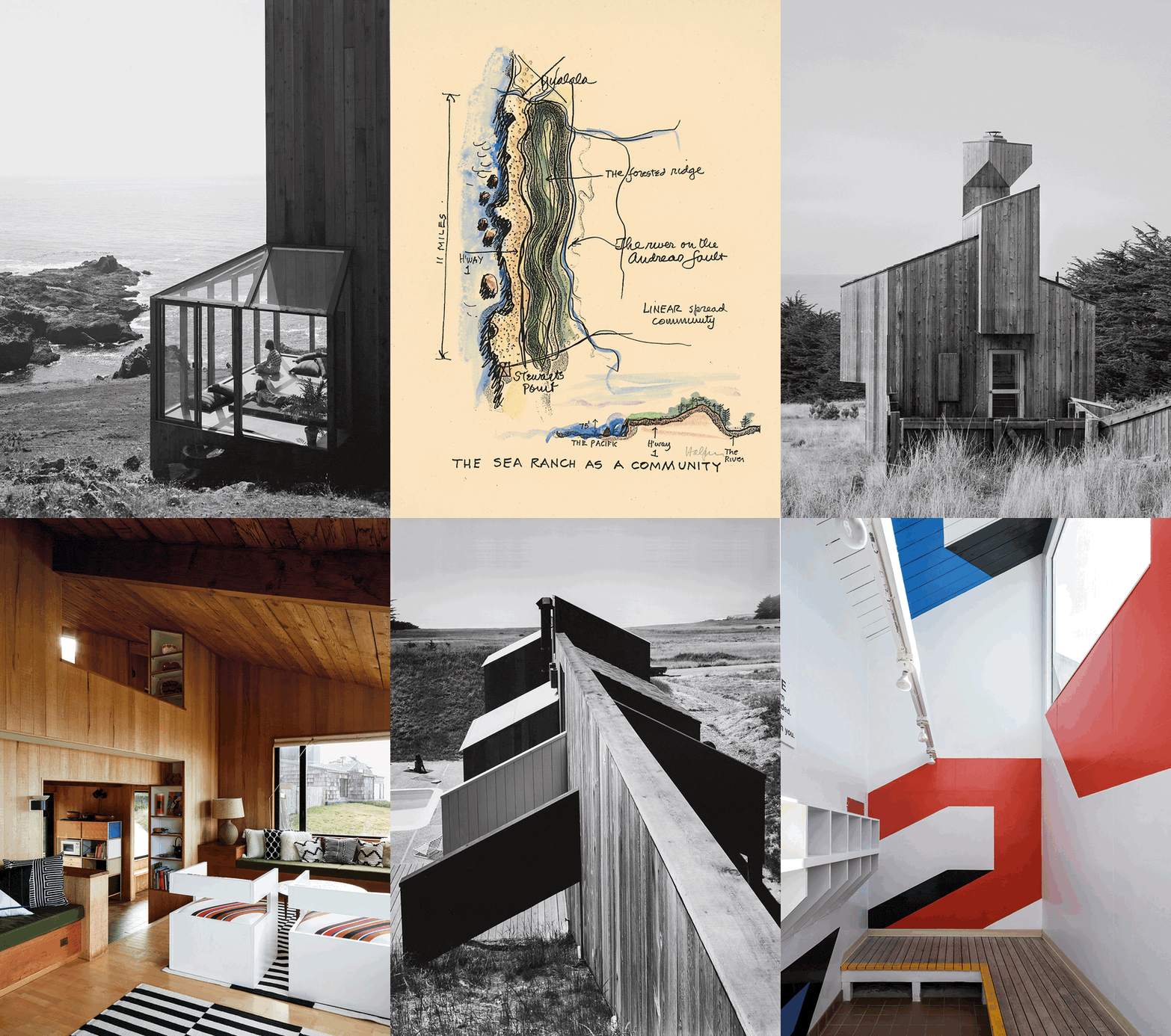
I 1965, på ti miles af tågeplaget nordcalifornisk kystlinje, indgik en gruppe arkitekter en pagt med landet. Ingen velplejede græsplæner. Ingen påtvungen orden. Bygninger, der krøb sammen i forbjergene, beklædt med vejrbestandigt træ, orienteret mod vinden snarere end imod den. The Sea Ranch var et argument for, hvordan man skal leve.
Lawrence Halprin planlagde samfundet med den overbevisning, at landskabet i sig selv var arkitekturen. Charles Moore, Donlyn Lyndon, William Turnbull og Joseph Esherick tegnede de tidlige bygninger. Barbara Stauffacher Solomon malede interiørerne i dristige supergrafikker — et farvechok inde i al den tilbageholdenhed. Resultatet var noget virkelig uden fortilfælde: en vestkyst-vernakulær modernisme, der betragtede jordforvaltning og designambition som samme projekt.
Halprins skitser, arkiv- og nutidsfotografier, tegninger og essays placerer The Sea Ranch inden for den bredere historie om californisk arkitektur. Designernes egne stemmer løber gennem hele værket.
Vinder af Society of Architectural Historians' Philip Johnson Exhibition Catalogue Award.


